Welcome to My Dog Training Blog!

You’re sitting in the middle of a puppy pen, swarmed by a litter of chubby puppies. Their soft little bodies scoot closer to cuddle up to you. You can’t help but giggle as the awkwardly large paw of one puppy attempts to edge another out of their way.
How do you leave with just one?!
That is perhaps one of the toughest dilemmas we dog lovers will face!
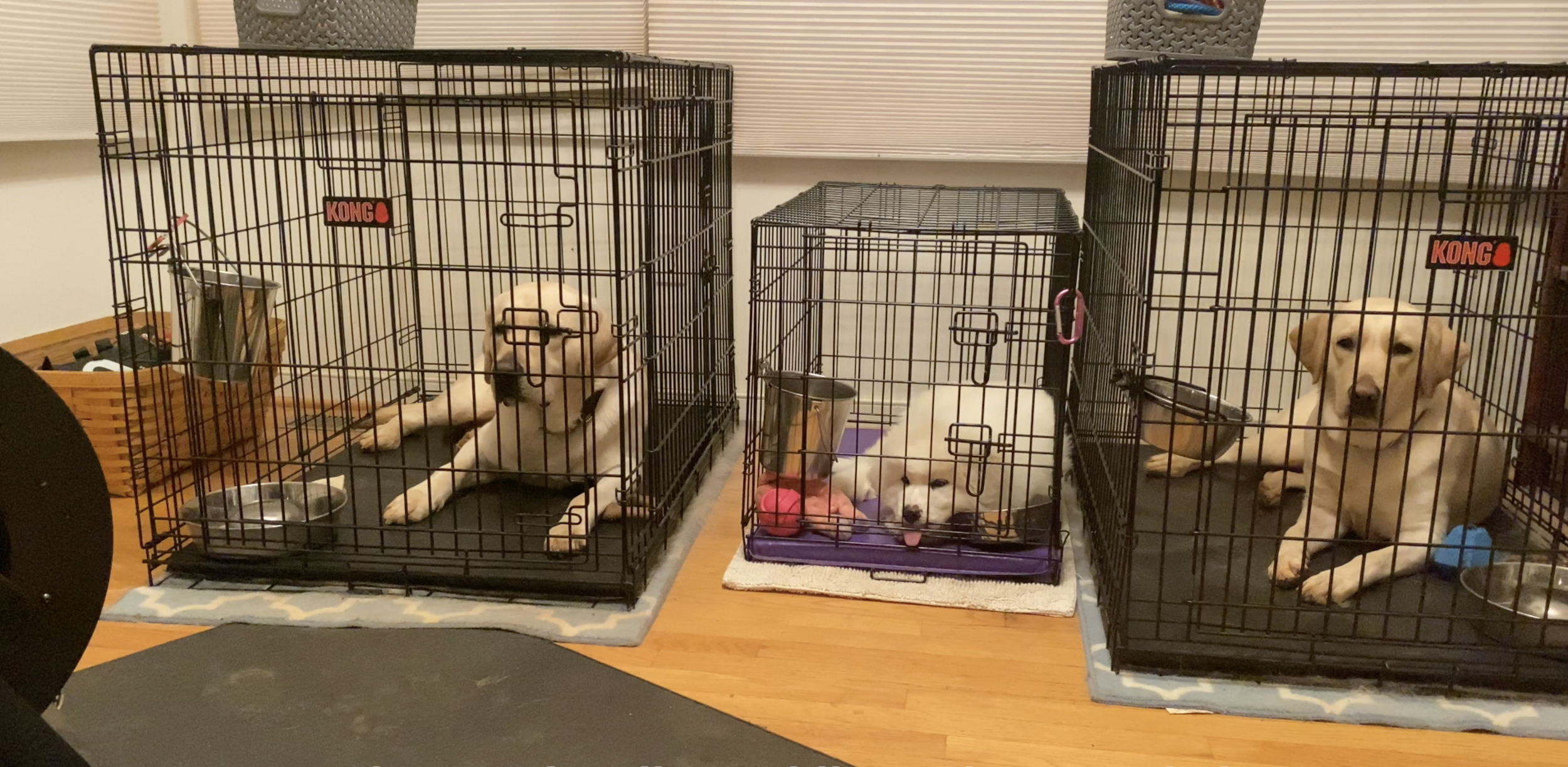
But if you do end up bringing home littermates, there are some things you should know...


Structure is so widely misunderstood in the world of dog training! Many “positive only” trainers regard structure as unfair and unnecessary, but this reflects a gross misunderstanding of the concept. Structure, when applied correctly and when paired with appropriate training, actually leads to lower anxiety levels and a calmer, happier dog overall.

If you have (or have had) dogs who appear to be on “auto-friend”—that is, every other dog is automatically their friend—then you are very lucky! Not all dogs are automatically comfortable around other dogs. Many dogs need time to adjust to another dog’s energy and presence before experiencing any pressure to interact.
And even with dogs who are on “auto-friend” it’s worth noting that the way we reduce dog relationships to “introductions” isn’t very realistic—or fair. Dogs form relationships just like humans do, and just like us, these relationships grow and change over time. If you really want your dog to have a good long-term relationship with another dog, then it’s best to take it slow.
Here’s what we recommend:

I wish it was as simple as trading for a treat. While this might get you by with a dog who is only half-heartedly guarding a resource, this is NOT going to cut it for a dog who’s feeling strong urges to guard. It’s also not creating a safer dog, which is what we all want, right?
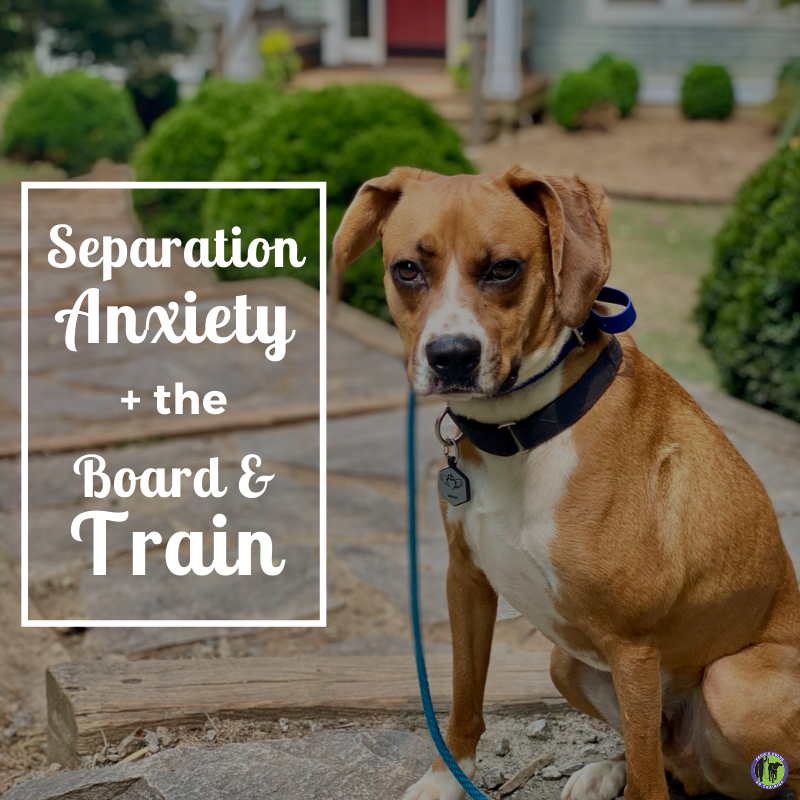
How could a board & train program possibly be beneficial for a dog with separation anxiety? Isn't that too much separation? Actually, one of the benefits of the board & train program is that the dog is separated from its owner and away from its home environment. This halts the momentum behind the dog's deepest rooted, most emotional reactions and patterns, and we can leverage that break in momentum to teach your dog a different way…

Below is a collection of our housebreaking, crate training and overall puppy training videos to assist you with your efforts. We’ve also included a breakdown of the key points of housebreaking. Housebreaking and crate training go hand-in-hand, so if you haven’t prioritized crate training yet, now is definitely the time! I hope this helps with your puppy.

We frequently hear stories of dogs returning home from board & train programs nearly untrained—they still don’t know basic commands or will only do them for food, for example, or they might know their basic commands but they’re still a wrecking ball around the house, or they don’t listen when any distractions are present, etc. As a professional dog trainer who is committed to training with integrity, this is very upsetting to hear…

Riley, a young and sizable pit mix, is here for our 3-week board & train program. One of her main issues is arousal—she’s very amped up most of the time! She’s sweet as pie and doesn’t mean to hurt anyone, but her size adds a level of risk to behaviors like jumping, leash pulling, and even her wiggly-ness. Her owners are worried that as their infant becomes a toddler, Riley will accidentally knock the baby over. We are definitely teaching Riley basic obedience while she’s here for training (both on and off-leash) and we will pattern calmer behavior around distractions. All of these actions are important, but if that’s all we do, then we are leaving her training incomplete.
To really do Riley justice and set her up for success, we also need to teach her how to be in a CALMER state of mind. In this video, I talk through how I’m communicating this to Riley and teaching her to slow down and think through her behavior.

You are your dog’s guide to the world. Dogs do not intuitively understand how to navigate our human world. They don’t come preprogrammed with the understanding that it’s not okay to use their mouth on humans, or that pulling on the leash makes a walk really unpleasant for the humans, or that barking and jumping on strangers is super rude. They have no idea. They only know how to be a dog. You have an enormous opportunity to build a deep bond of trust and respect with your dog when you embrace your role as their guide. (read on to learn how)

I don’t teach the words “stay” or “wait” but I do teach those concepts. The concepts of stay and wait are built into the skills, manners, attitude, and dog-handler relationship that we develop throughout the board & train program. It’s not necessary to name and teach them as separate concepts; in fact, that can become more of a hindrance than a help. Have you ever told your dog to “Waiiiiit… Waiiiiiit….” and watched his excitement and anticipation grow? Treating concepts like staying and waiting as individual commands too often pairs them with the wrong state of mind (excitement, anticipation) instead of the cool, calm, collected state of mind we’re looking for. Let’s unpack this.
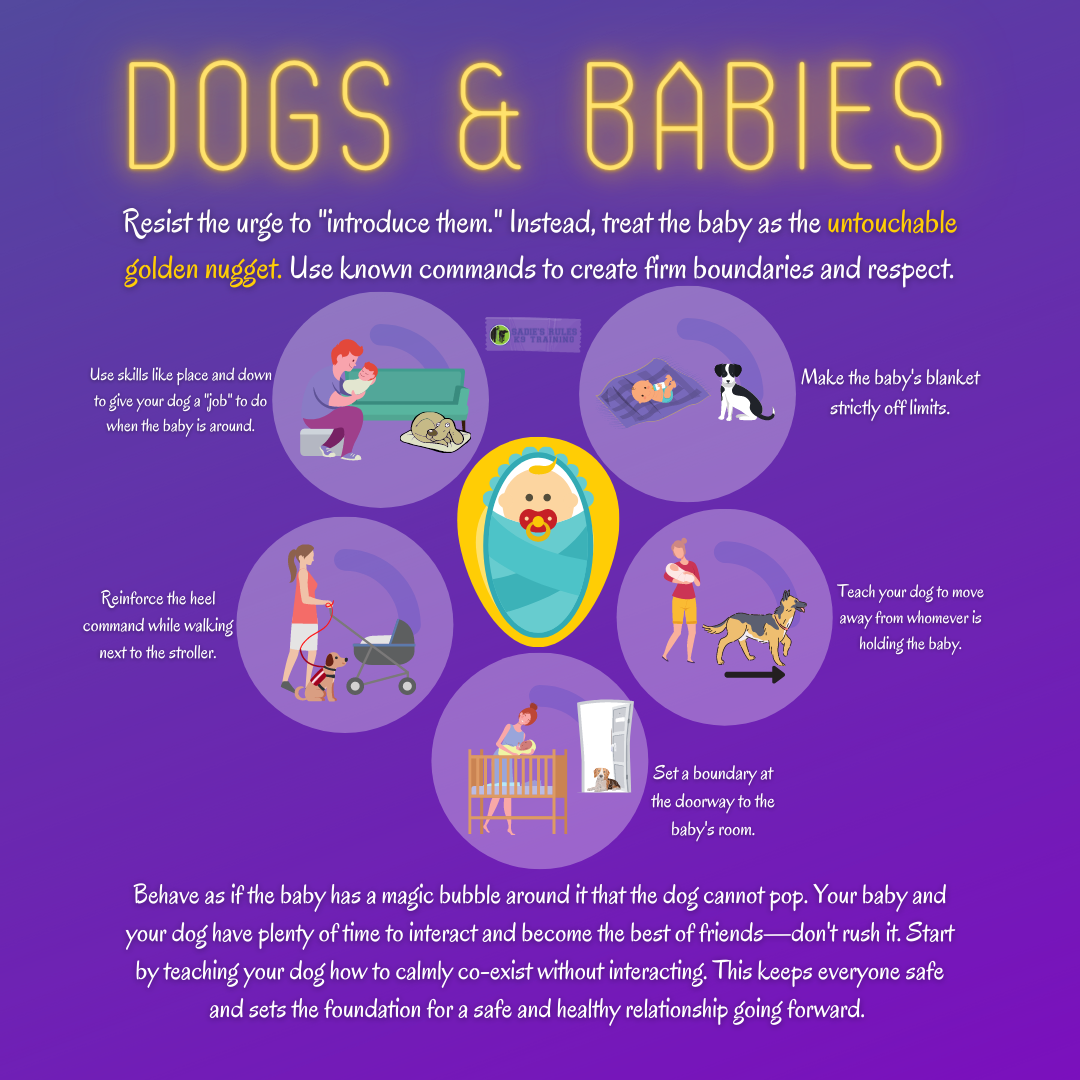
I know it’s tempting to get your baby and dog introduced right away. A lot of blog posts are devoted to that subject and filled with miscellaneous suggestions—bring home a blanket or other baby item ahead of time for the dog to sniff, sit in a chair and allow your dog to approach, etc. Lots of people get away with introducing their dog and baby right off the bat; however, in my experience, even if you get away with it, immediate dog-baby introductions still aren’t setting anyone up for long term success. If you want your dog and baby to have a healthy long-term relationship, it’s best to teach your dog a healthy respect for the baby from the very start.
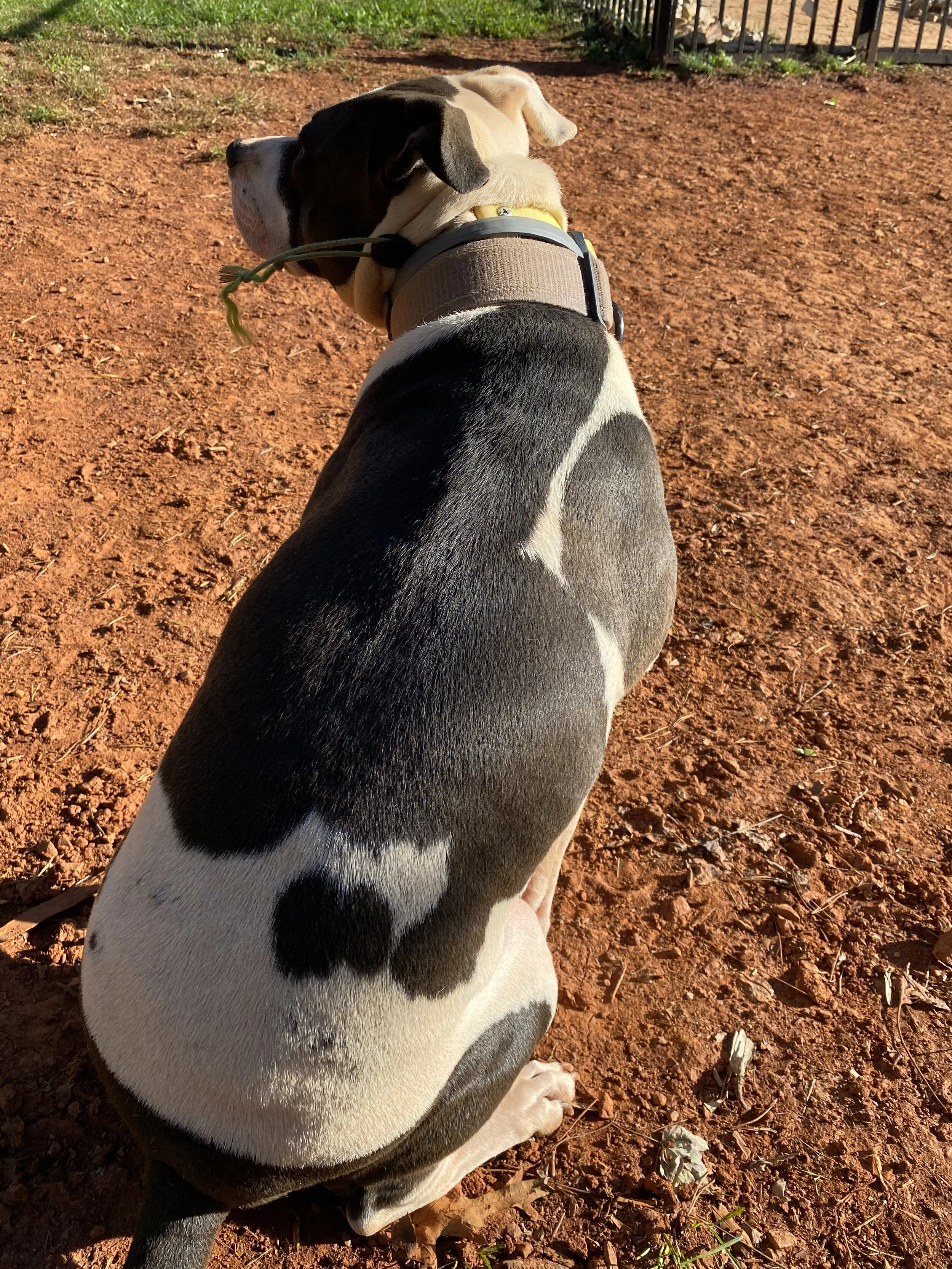
The obvious reason why weight gain is a problem for dogs is because it puts them at risk for health issues. I’m not a veterinarian, plus there are tons of great articles on that subject so I won’t cover them here. What I’d like to talk about in this post is the link between diet and behavior. It’s difficult to pin down exactly how and why this happens, but it’s pretty clear to dog trainers that this is indeed a factor.

You may have heard the common phrase “all they need is love.” Wouldn’t it be nice if that was true! The truth is if love is all a dog needs…
there would be far fewer dogs in shelters,
there would be far fewer dogs returned to the rescues they were adopted from,
there would be far fewer people in my inbox who love their dogs dearly but are at their wits end.
Dogs need more than love. They need to know—they deserve—to know how to live successfully in our human world.

There is a lot of clamor in the dog training community about avoidance. It’s usually painted in a negative light but I’d argue that it’s neither positive nor negative; it’s simply reflective of how a dog is feeling in a given moment. Avoidance is often part of the behavior change process, so it’s important not to demonize avoidance outright. This blog post will be dedicated to explaining what avoidance is and what purpose it serves in the context of changing dog behavior.

Taking your dog to training is not analogous to taking your car to the mechanic. I can’t open up the hood, tinker with some wiring or replace some parts and hand you back the keys, so to speak. In that sense, a dog’s behavior cannot be “fixed.” That’s not what dog training does…

If you follow me on Facebook or Instagram, you’ve noticed that we walk the dogs every day. There is the occasional day off due to weather, feeling under the weather, or just giving the dog a day of rest (those can be just as helpful for dogs as they are for humans!) but for the most part, every dog in our care is walked every day. When our trainees return home, we encourage our clients to keep up on this daily walking practice.
There are several reasons why daily walking is beneficial for your dog. Here are a few of the big ones:

Every now and then someone asks me if they really need to get a fence for their dog. Let’s talk about that.
You do not need to invest in a fence, but if you don’t, then you will need to invest in dog training. You can hire a dog trainer or you can DIY it. If you hire a professional trainer, look for a dog trainer in your area who specializes in off-leash training with the e-collar. The e-collar allows you to communicate with your dog even when they’re not on a leash…

You might be surprised how many times I hear something along the lines of “To be honest, I really don’t like my dog very much!” when I meet with a client for the first time. I can’t fault them. Bad dog behavior puts serious strain on a dog’s relationship with its people and can cause all kinds of stress and tension in the house. If that’s the situation you find yourself in, this blog post is for you. Here are five suggestions to help keep everyone sane:
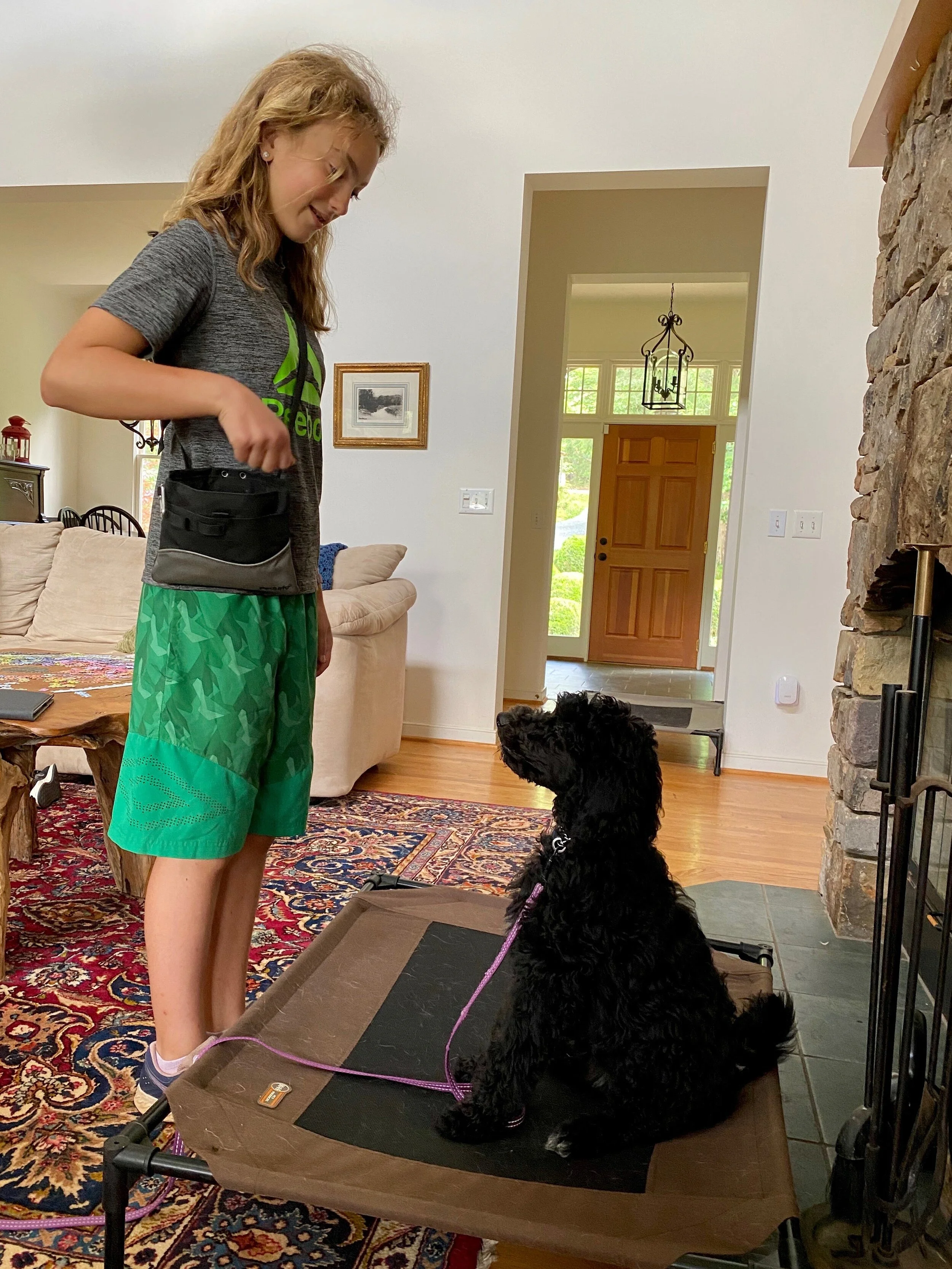
Thank you so much for trusting us with your beloved dog! While she’s here with us we will treat her as part of our family. She’ll get to know the human, canine and feline members of my family and team and each of us will take part in her training and/or care. We love getting to know our canine guests! …
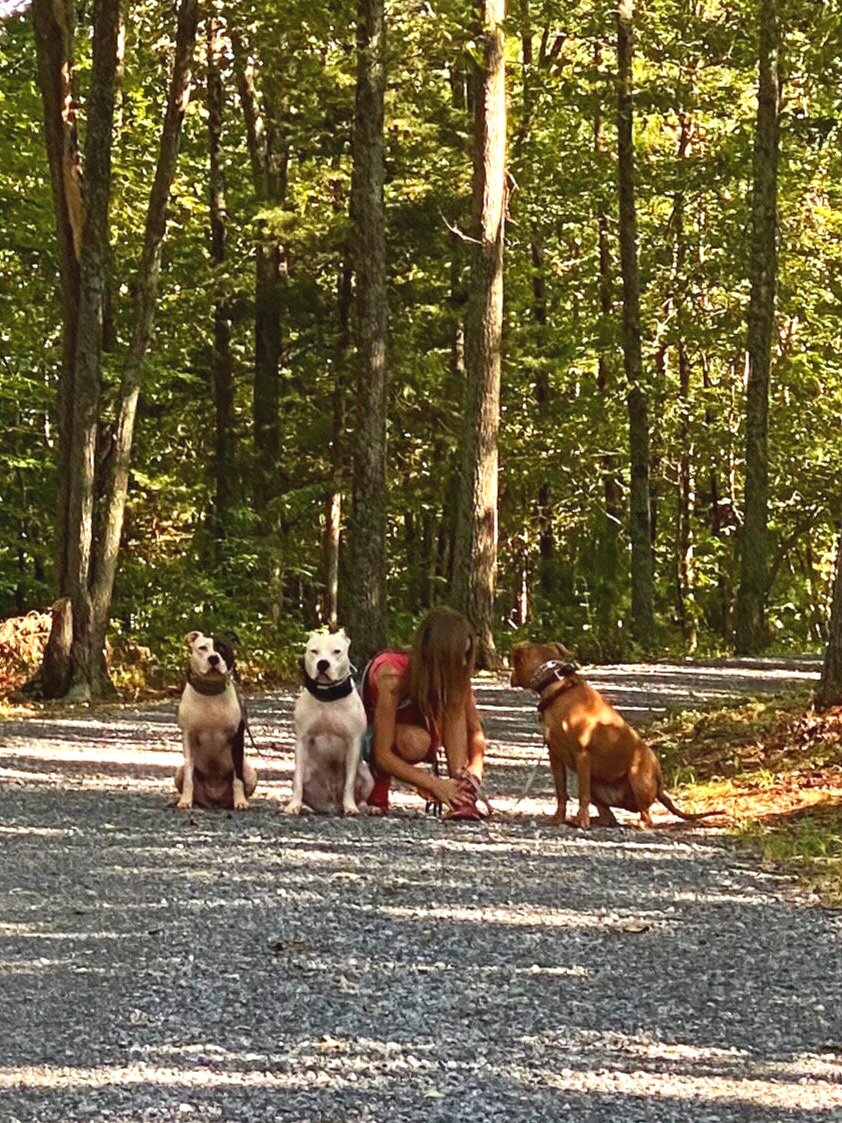
In many cases, dogs come to me with quite a bit of training under their belt. They know all their basic commands but they often blow off their owner entirely and opt to do whatever it is they’d rather do in that moment. That’s why, despite all their former training, they’re here for more. Now, there are often many reasons why a dog blows off their owner but what I want to touch on today is the factor that’s often overlooked: attitude.

Let’s get right to the point, folks: We do dogs a disservice when we place restrictive labels on them before we give them the tools, skill set and state of mind (aka training) to be their best selves. If we label dogs based on our pre-training assessments, we end up with lots of limitations…
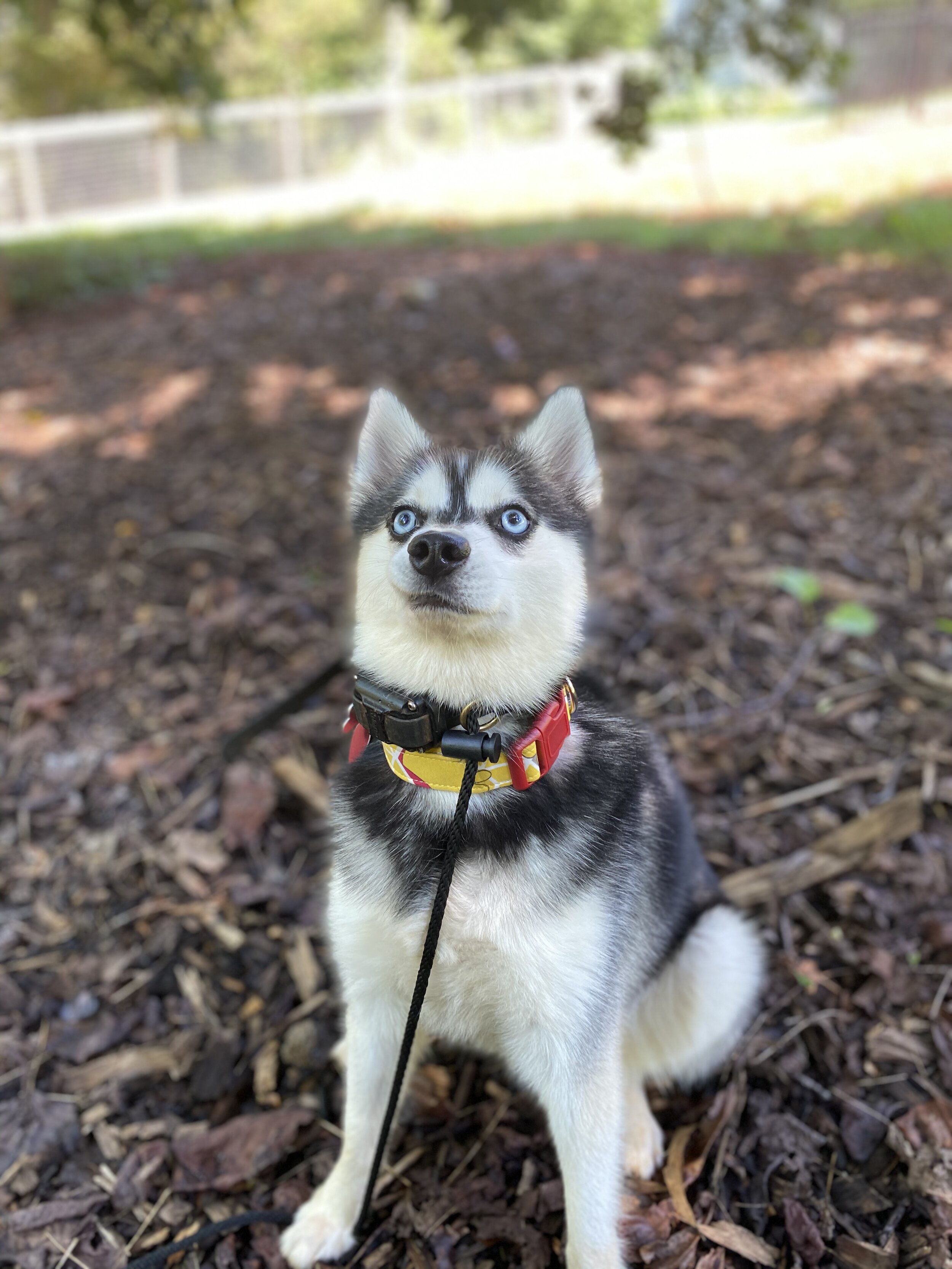
Dog owners are often worried about what things will be like once their dog returns home from the board & train. Will my dog still be himself? Will the good behavior last? Will I know what to do? These are totally reasonable questions, so I thought I’d take some time to address some of these concerns here. I’ll touch on the three main things to know about the post-board and train reality: the difference between personality and behavior, what we do to bridge the gap between my home and yours, and what you need to do to maintain your dog’s good behavior.

This week I posted on social media about what makes a dog happy, and how my observations (and those of my balanced training colleagues and clients) contradict the positive-only/force-free ideology. In my experience as a professional dog trainer, I have witnessed dogs blossom with clear communication, leadership, accountability and structure—the exact things that are labeled as harmful by the positive-only/force-free crowd. In this blog post, I’d like to elaborate on how two of these things—clear communication and structure—create “happiness” for a dog.

You’ll be happy to know it takes just minutes to stop leash pulling! With the right tools and training techniques, pulling can be stopped very, very quickly. Certainly in only ONE dog training lesson. I teach heel in a 2-package lesson so that I can help the human end of the leash practice the techniques and learn the nuances of communicating with their dog, but not because it actually takes two lessons for the dog to stop pulling. If this is shocking information, keep reading—and know that you’re not alone. Many dog owners are duped into thinking they have to spend 6+ months working on their dog’s leash behavior. If a dog trainer tells you this, do not give them your money!
Here are three key concepts that allow us to stop leash shenanigans almost instantly.

This week I shared a social media post about the importance of teaching your dog what they should be doing. I used jumping on guests as an example and that seemed to really resonate with folks, so I thought I’d elaborate on that training process here. Below is a breakdown of things to think through and work on when trying to help your dog overcome a bad behavior.

Hi, I’m Jess! I’ve helped hundreds of dogs become happy, healthy, and balanced so that they can become part of their families again.